Why is Mosquito Bite So Itchy

ScienceTopping  |  May 14, 2023
Mosquito Bite

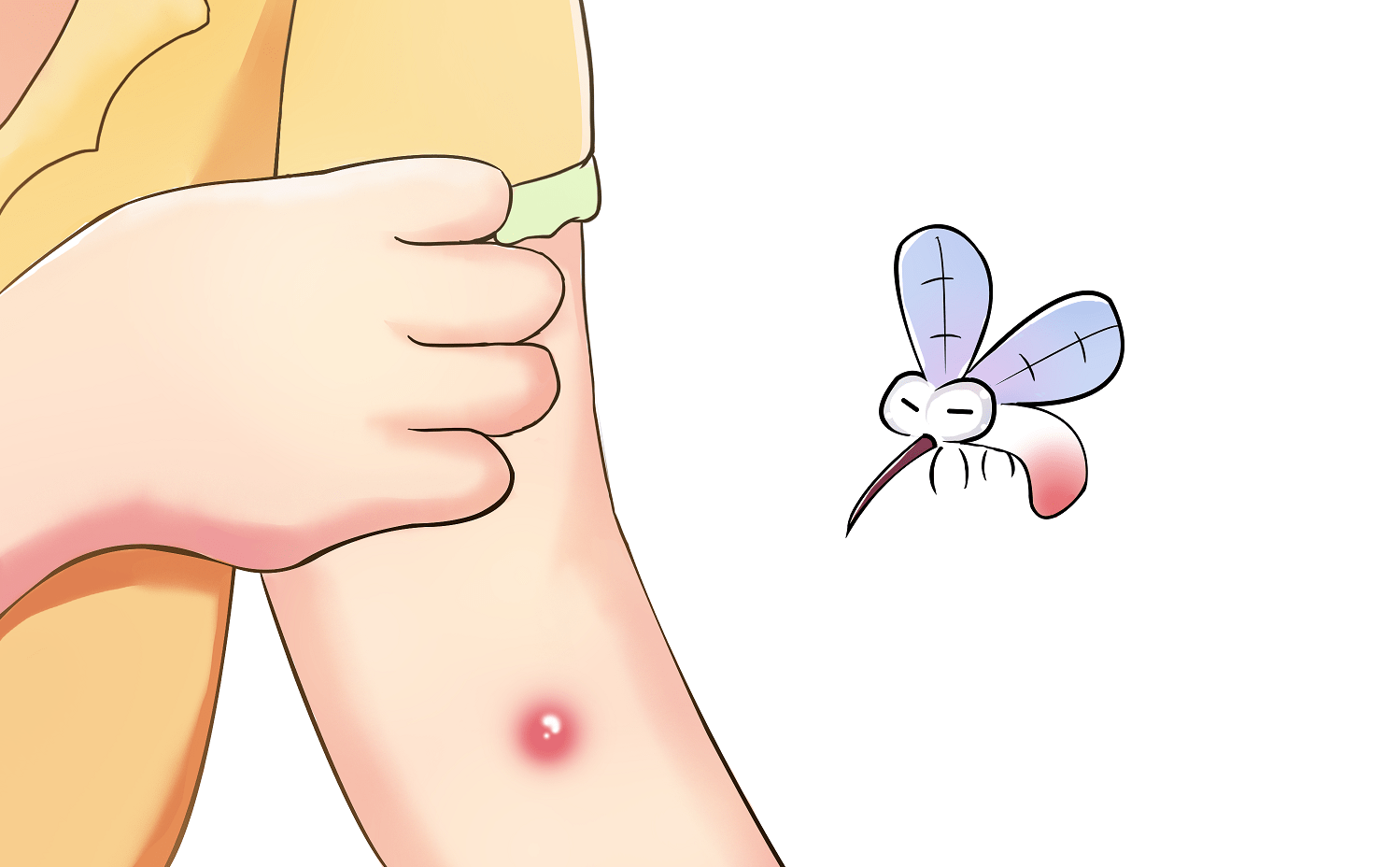
Inflammatory mediators such as histamine cause allergic reaction after a mosquito bite.
IMAGE BY 699PIC/PNGTREE
No one in this world could imagine how fast mosquitoes expand their population. They are simply inevitable and annoying. Female mosquitoes lay 100 eggs at one go approximately three days after mating. Making a bold hypothesis, if mosquito bite does not have any effect on human, will human even care about the existence of this tiny species on this blue planet? Most people would certainly nod their heads on this hypothesis.

The issue arises when mosquitoes do indeed bring about an episode of "aftermath" after taking a hearty blood meal from pitiful humans by using their ultimate weapon – the great mosquito needle. Ranging from instantaneous itching and swelling effect to catastrophic vector-borne diseases, human race ends up having to declare wars against these despicable mosquitoes. Countless of effort has been made in the production of vaccine, mosquito repellants, mosquito sprays and even the development of genetic engineering in controlling mosquito spread.

Advertisement

Blood is what female mosquitoes want after all. After taking a bite on human skin, a cascade of reaction occurs at the so-called criminal scene. Taking a gross approach, swelling and redness are two most obvious observation. There are three main mechanisms proposed behind the myth of mosquito bite's itching, with histamine being the primary culprit.

The first mechanism is the binding of histamine in mosquito saliva to histamine-specific receptors on nerve endings. Histamine mediates local vasodilation and edema, resulting in the formation of wheal on the site of biting. Histamine is a inflammatory mediator that elicits inflammation at the site of mosquito bite, causing erythema and swelling.

Advertisement

The second mechanism is the release of endogenous histamine through IgE activation of mast cells in the dermis of the skin. The endogenous histamine simply refers to the histamine synthesised by the body, while the histamine in the first mechanism previously is exogenous. This endogenous histamine is released due to the introduction of the D7 proteins, which are a subtype of odorant-binding proteins. D7 proteins first bind to biogenic amine and leukotriene in order to block host immune response for a short period of time. Therefore, these proteins form the basis of successful mosquito feeding by preventing inflammatory process temporarily, which in turn prevents humans from scratching due to itchiness. However, as soon as the mosquitoes have done with the feeding process, humans will feel the itchiness due to the IgE activation of mast cells against these inflammatory mediators which are no longer inhibited, ultimately releasing endogenous histamine.

The last mechanism is IgE-independent inflammation, which consists of two possible pathways of direct mast cell activation route.

Advertisement

A study on Anopheles mosquito bites has indicated that IgE may not be necessarily required in mast cell degranulation, as a rapid inflammatory response can be triggered in response to saliva component of the mosquitoes. Besides, a novel mosquito salivary protein called SAAG-4 and a mosquito salivary gland vasodilatory protein called sialokinin are responsible for downregulating Th1 cytokines and shifting to Th2 response. Th2 cells play an important role in inducing B-cells to secrete antibodies. Th2 cells then activate mast cell directly to degranulate.

In conclusion, all three mechanisms discussed above lead to ultimate degranulation of mast cells, releasing allergen which in turn triggers inflammation. Erythema, pruritus and swelling are the results of host's allergic reaction against those allergens. To relieve itchiness, humans tend to scratch the site of mosquito bite. Notwithstanding, over the years, there is one particular hypothesis that must have been realised. The more the site of mosquito bite is scratched, the itchier it becomes. This is because scratching will increase the extent of inflammation, resulting in the release of an increased amount of inflammatory mediators and subsequently causing more serious allergic reactions. There is a tendency for infection to develop if the skin is scratched severely until it breaks. Therefore, an old man's advice must be trusted as the elderly always reminds not to scratch the site of mosquito bite.

Share on Twitter Share on Facebook Share on Reddit

More Awesome Toppings

Mosquito Life
Coming Up
Discover Life as a Mosquito
Digest More